Have any Questions?
Please call us at +356 2778 0860
CASH ON DELIVERY AVAILABLE
2-YEAR WARRANTY
FREE DELIVERY ON ORDERS OVER 49 EUROS
30-DAY RETURNS
CASH ON DELIVERY AVAILABLE
2-YEAR WARRANTY
FREE DELIVERY ON ORDERS OVER 49 EUROS
30-DAY RETURNS
+356 2778 0860
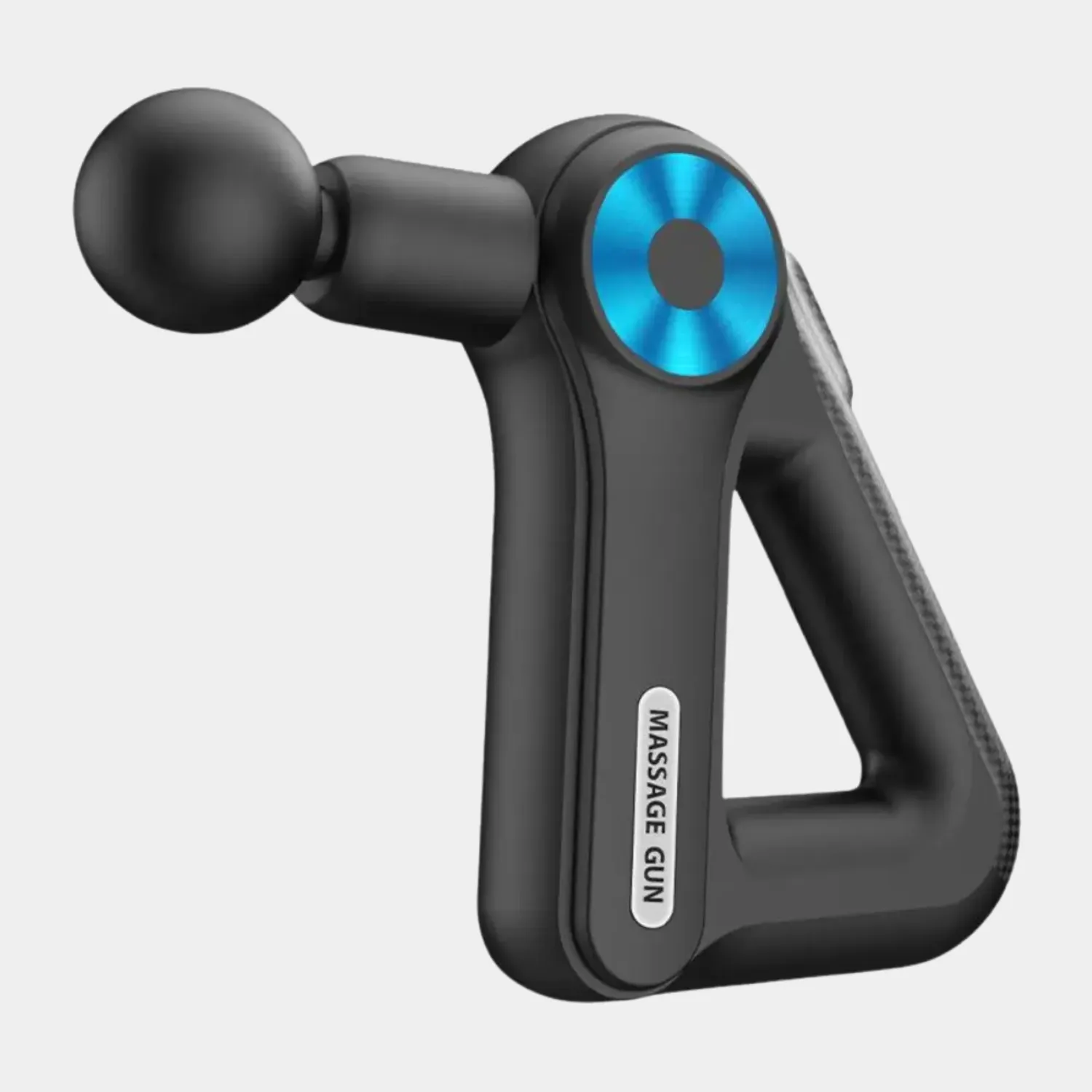
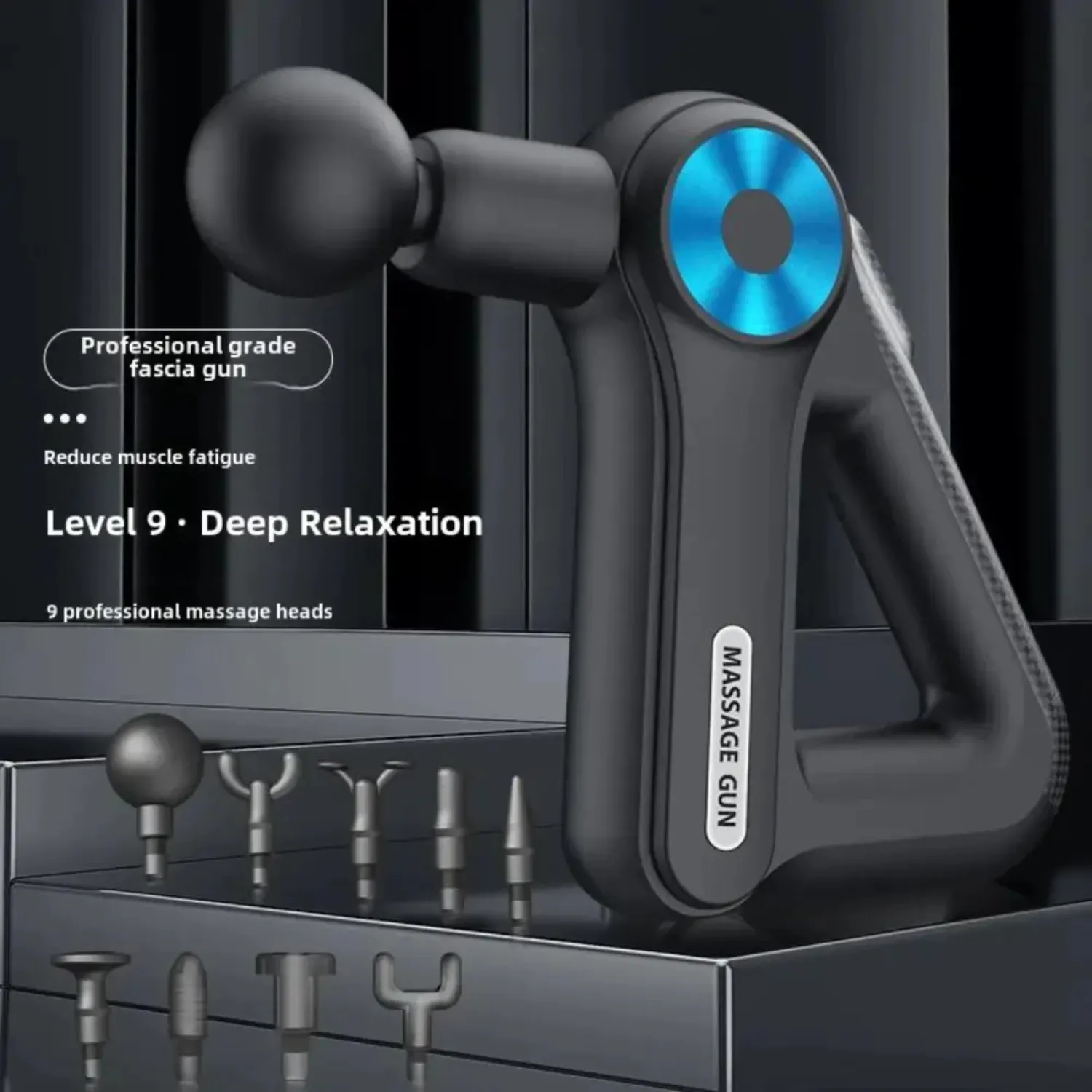
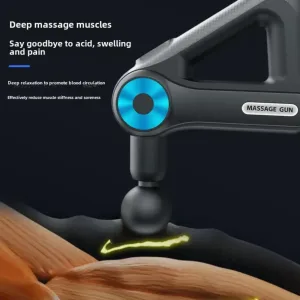
The Deep Relief Pro Massage Gun is a percussion therapy device with 9 intensity levels and 9 interchangeable massage heads. The triangle-shaped ABS body weighs 0.57kg and measures 20 x 21.5 x 14.5cm. The motor operates below 45dB and delivers up to 3,200 percussions per minute. It charges via USB Type-C at 5V/1A and runs on a 7.4V battery. The set includes the gun, all 9 heads, a charging cable, and a user manual.
€69.99 Original price was: €69.99.€39.99Current price is: €39.99.
Please call us at +356 2778 0860
The Deep Relief Pro delivers percussion therapy at up to 3,200 strikes per minute, with 9 speed settings that step from low-intensity relaxation through to deep tissue work. Nine interchangeable heads cover different muscle groups and tissue types, from large flat surfaces to small trigger point locations. The motor runs below 45dB throughout all settings.
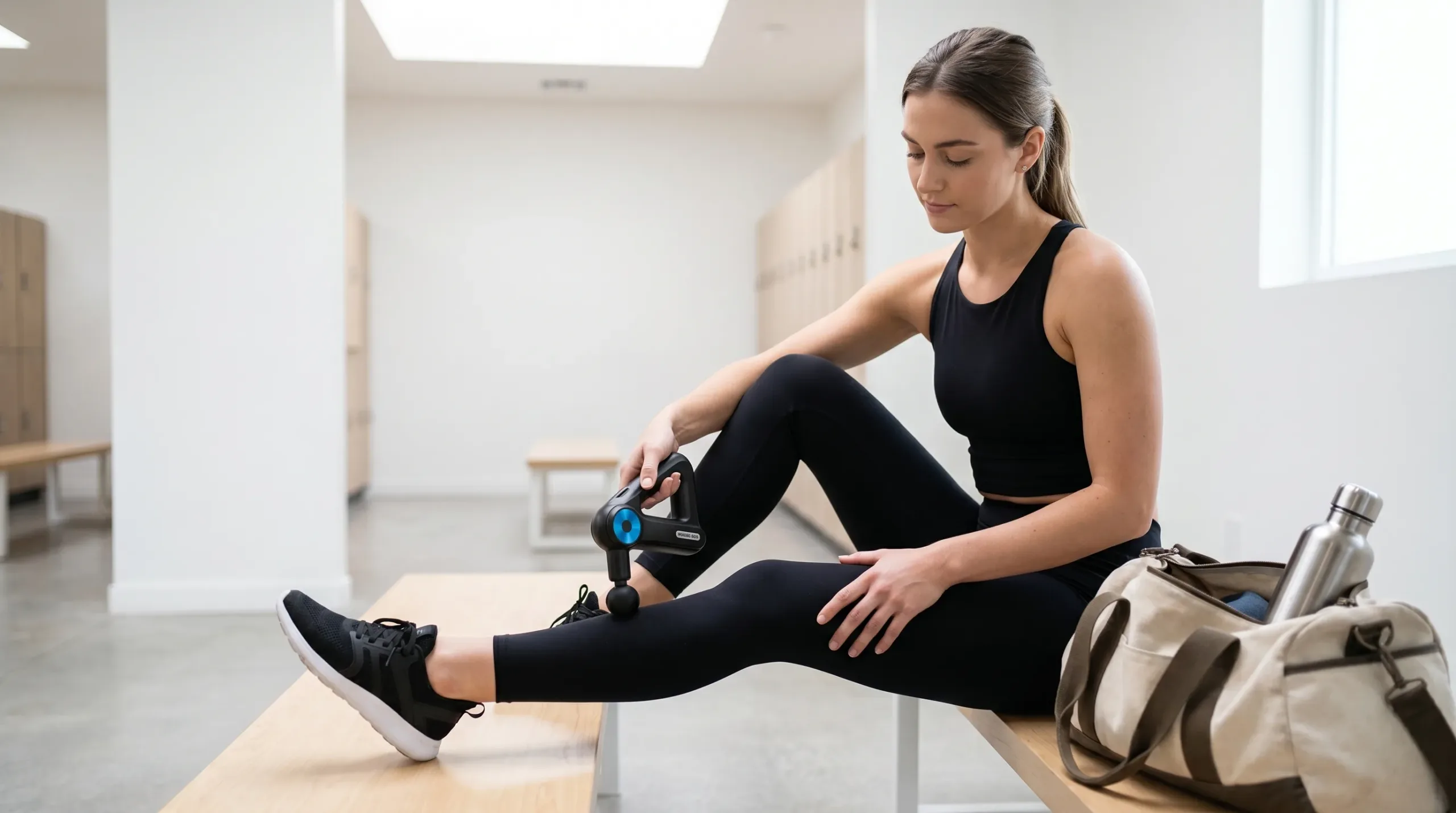
The body is shaped as a compact triangle, which distributes grip across three contact points and keeps the wrist in a more neutral position during use on hard-to-reach areas like the upper back and shoulders. At 0.57kg and 20 x 21.5 x 14.5cm, it fits into a gym bag alongside training equipment without taking up meaningful space.
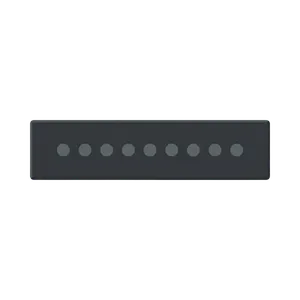
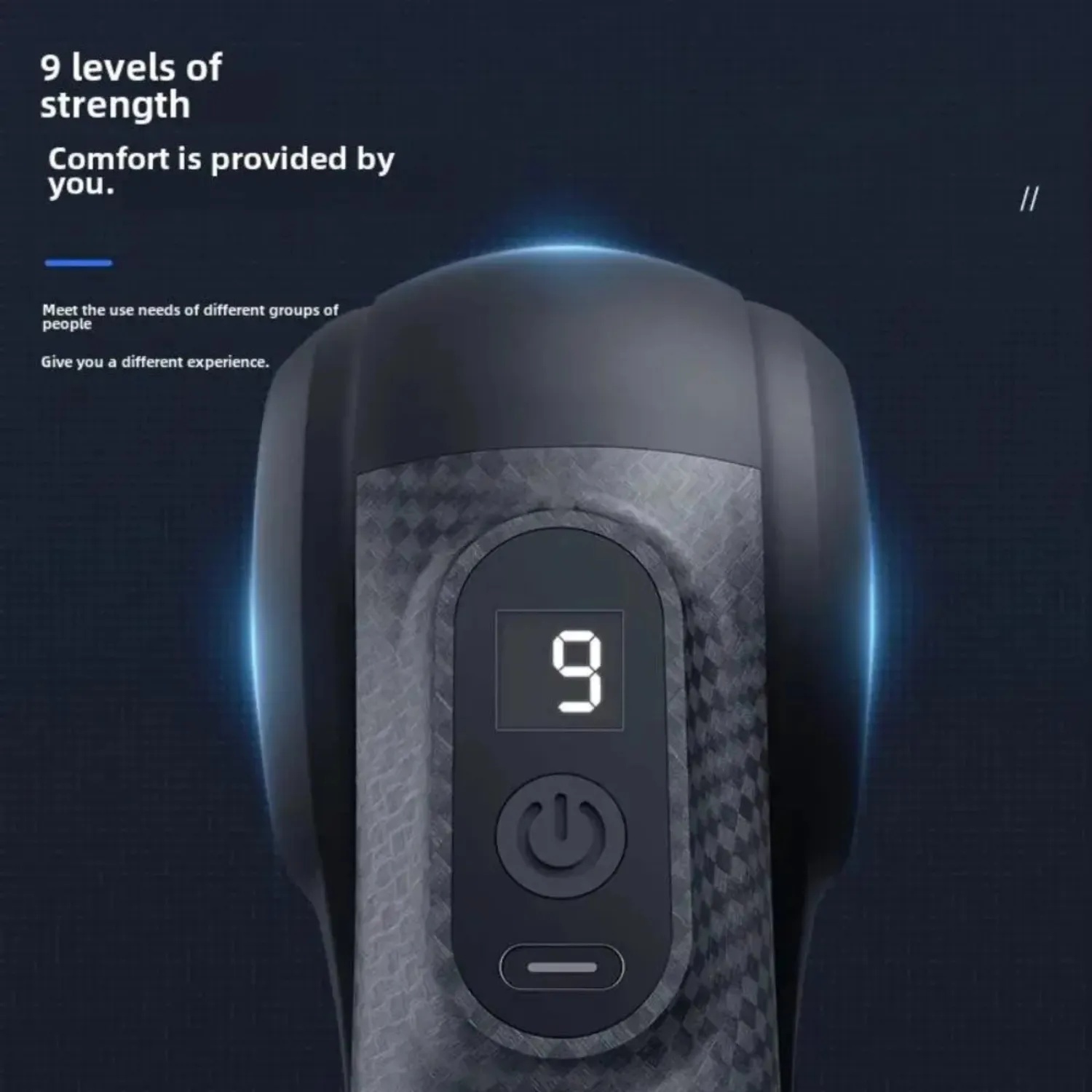
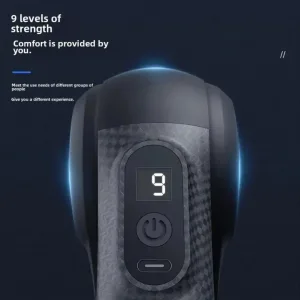
Speed steps from a gentle level 1 through to a firm level 9, giving precise control over how much force the head delivers into the tissue. Lower settings suit warm-up or sensitive areas; higher settings are used on dense muscle groups like the glutes, quads, and calves.
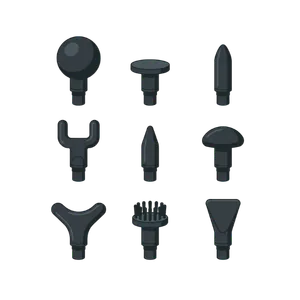
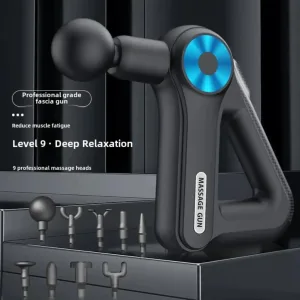
The included heads cover distinct applications: a round head for large muscle groups, a bullet head for trigger points, a flat head for general use, and a fork head suited to the spine and neck, among others. Each head attaches and detaches by hand in a few seconds.
Operating below 45dB, the gun is quieter than a normal conversation. This makes it practical for use in shared spaces, hotel rooms, or offices without drawing attention during a recovery session.
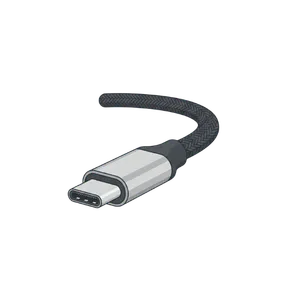
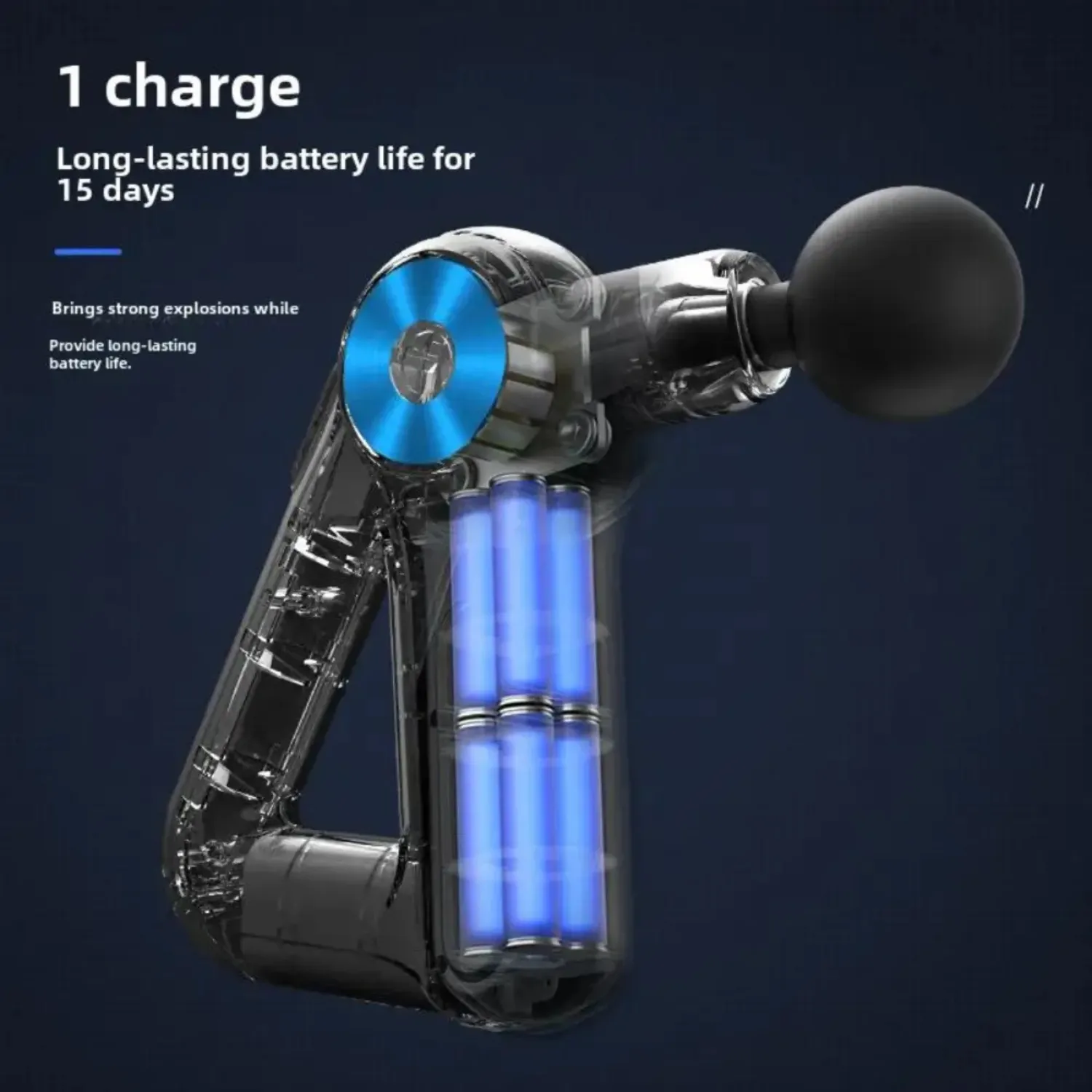
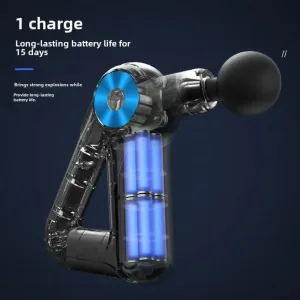
The gun charges via a standard Type-C cable at 5V/1A. Battery life provides several hours of use between charges, and the Type-C connection means the same cable used for phones and other devices works here too.
Most muscle groups require a different approach depending on their size, depth, and sensitivity. A large, flat head spreads force across the quad or hamstring without concentrating pressure on any single point. A bullet head pins directly into a specific knot or trigger point for localised release. The fork head straddles the spine, applying pressure on either side without direct contact with the vertebrae.
Having all nine heads in the same set means the gun works across the full body from a single purchase. Switching heads between a shoulder warm-up and a calf recovery, for example, takes seconds and does not require carrying separate tools for each area.
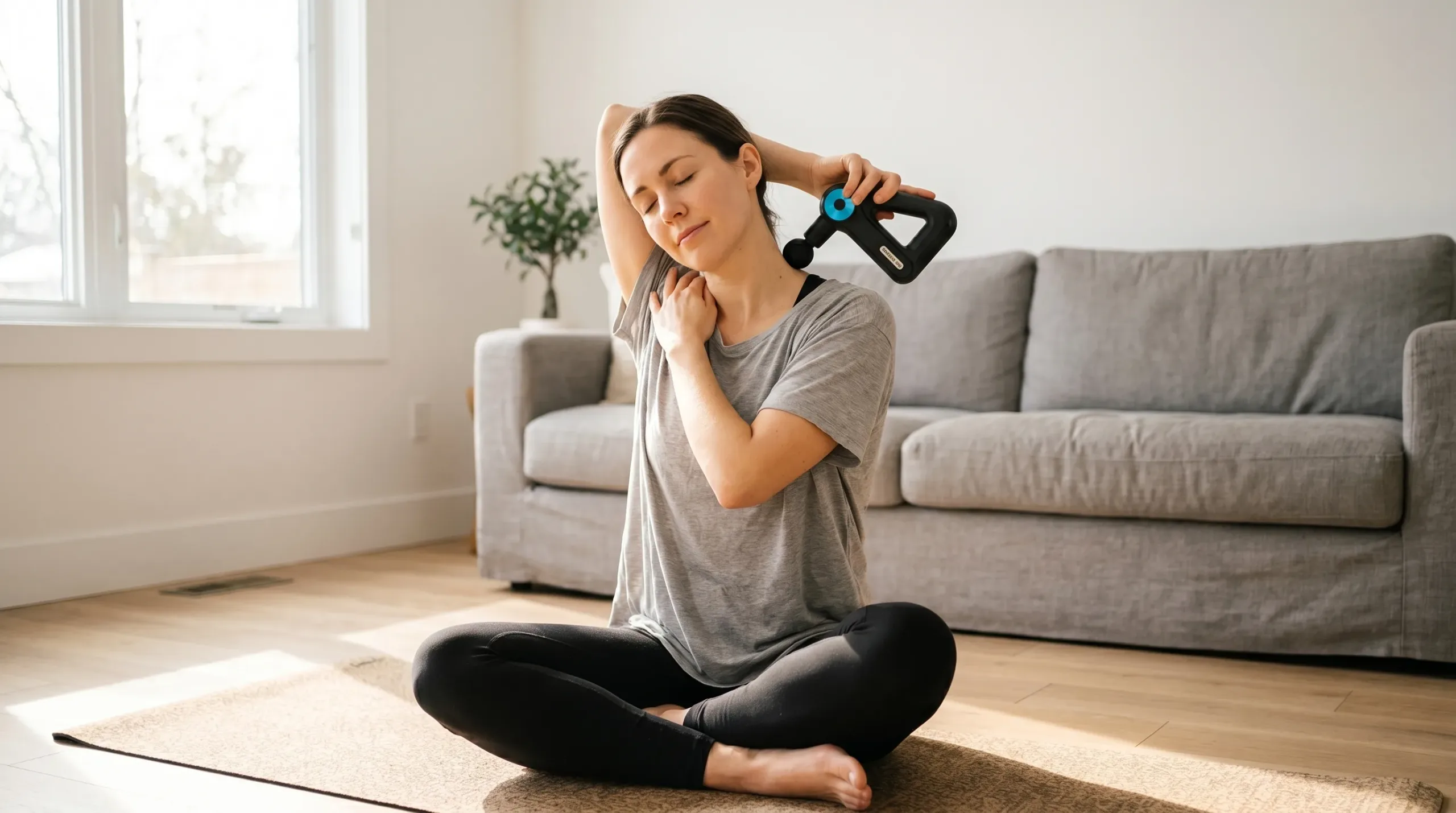
This gun was built for people who want post-training muscle recovery and day-to-day tension relief at home, without booking appointments or relying on foam rollers alone. The combination of nine heads and nine speed settings covers the full range of percussion therapy needs from one compact device.
The sub-45dB motor and lightweight body make it as practical for desk workers managing neck and shoulder stiffness as for athletes recovering from training.
Here are 6 reasons we believe the Deep Relief Pro Massage Gun is the right fit for your household.
The included set addresses large muscle surfaces, deep trigger points, the spine, neck, and joints from a single kit. There is no need to purchase additional attachments separately.
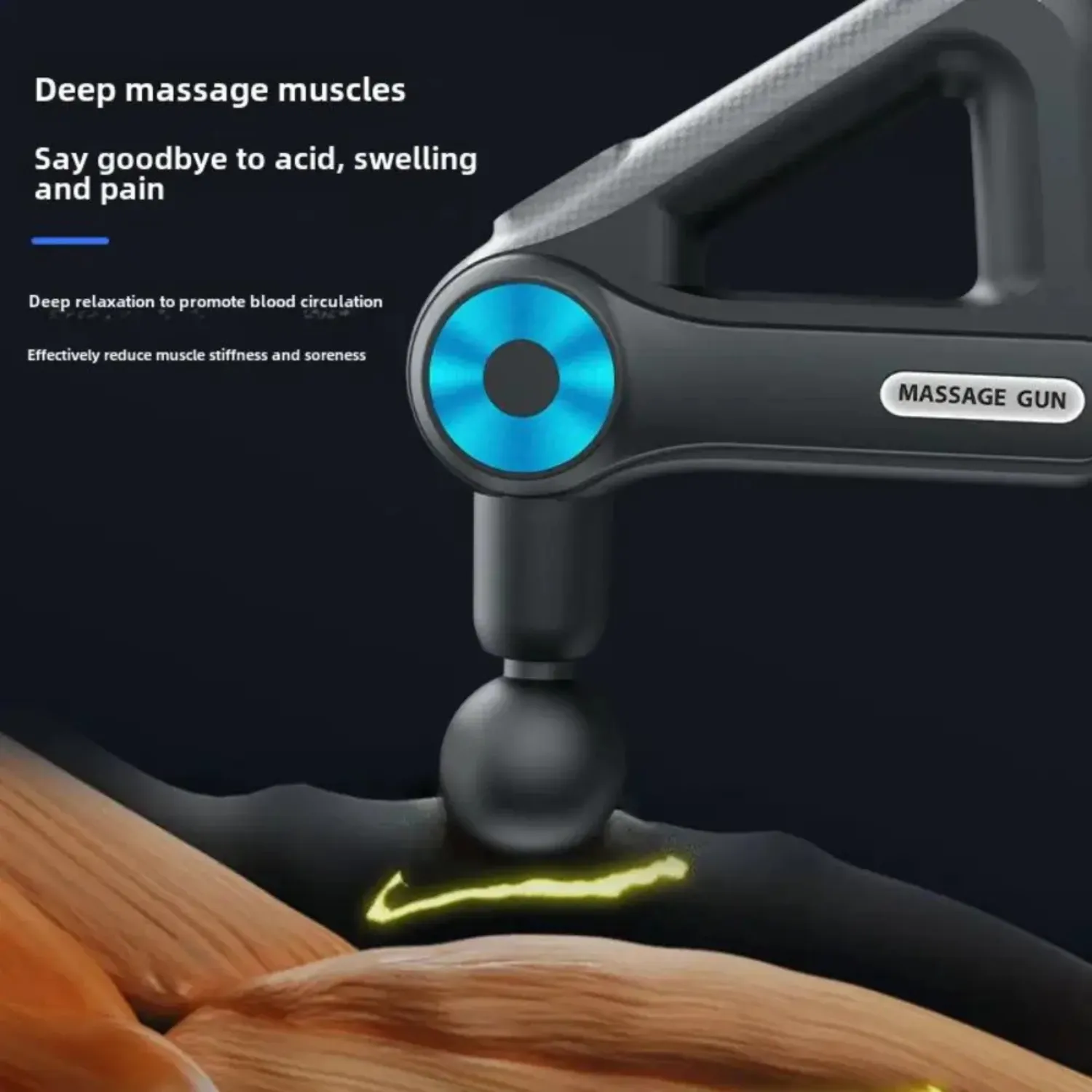
The motor delivers rapid, consistent strikes at the top speed setting, producing the tissue penetration needed for genuine deep muscle work rather than surface vibration only.
The gun operates quietly enough for use during a television programme, in a shared bedroom, or in an office. There is no motor whine or rattling noise at any of the nine settings.
The three-sided frame gives the hand a stable hold during self-massage on awkward angles, reducing the wrist strain that straight-handled guns can cause when reaching the upper back or shoulders.
At just over half a kilogram, the gun does not fatigue the arm during a 10 to 15 minute recovery session. This is relevant for people treating multiple muscle groups in sequence.
The standard Type-C connection removes the need for a proprietary charging cable, and the battery lasts through multiple sessions between charges, making it practical for daily use.
The round head is the standard starting point for large muscle groups such as the quads, hamstrings, glutes, and upper back. The flat head works across most body parts for general maintenance. The user manual specifies the intended use of each of the nine heads in more detail.
A typical recommendation is 1 to 2 minutes per muscle group. For trigger point work with the bullet head, shorter bursts of 30 to 60 seconds on the specific spot are more appropriate than extended continuous pressure.
The fork head is designed for use alongside the spine rather than on the vertebrae directly. Avoid applying the gun directly to bone, joints, or areas of acute injury. If you are managing a specific condition, consult a physiotherapist or healthcare professional before use.
The motor operates below 45dB, which sits below the level of a quiet conversation (approximately 60dB). Most comparable guns in this price range operate between 50 and 65dB, making this one of the quieter options at this category.
A carry case is not included. The compact triangle form means the gun and heads fit into a medium-sized gym bag or toiletry bag without dedicated storage. A separate case can be purchased if preferred.
Yes. Lower intensity settings (levels 1 to 3) with the round or flat head are suitable for pre-training warm-up on large muscle groups. Higher settings are more typically used post-training for deeper recovery work.
| Weight | 1 kg |
|---|---|
| Dimensions | 27.3 × 25 × 6.5 cm |
| Design | Triangle body |
| Material | ABS |
| Colour | Black |
| Intensity Levels | 9 |
| Massage Heads | 9 interchangeable attachments |
| Max Percussion Speed | Up to 3,200 per minute |
| Noise Level | Below 45dB |
| Battery | 7.4V |
| Charging | USB Type-C, 5V/1A input |
| Dimensions | 20 x 21.5 x 14.5cm |
| Weight | 0.57kg |
| Included | Massage gun, 9 heads, Type-C charging cable, user manual |